

TMJ Treatment in Austin, TX
Hear From Hundreds of Smiling Patients
Get Relief from Pain with Advanced TMJ Treatment
What is TMJ/TMD?
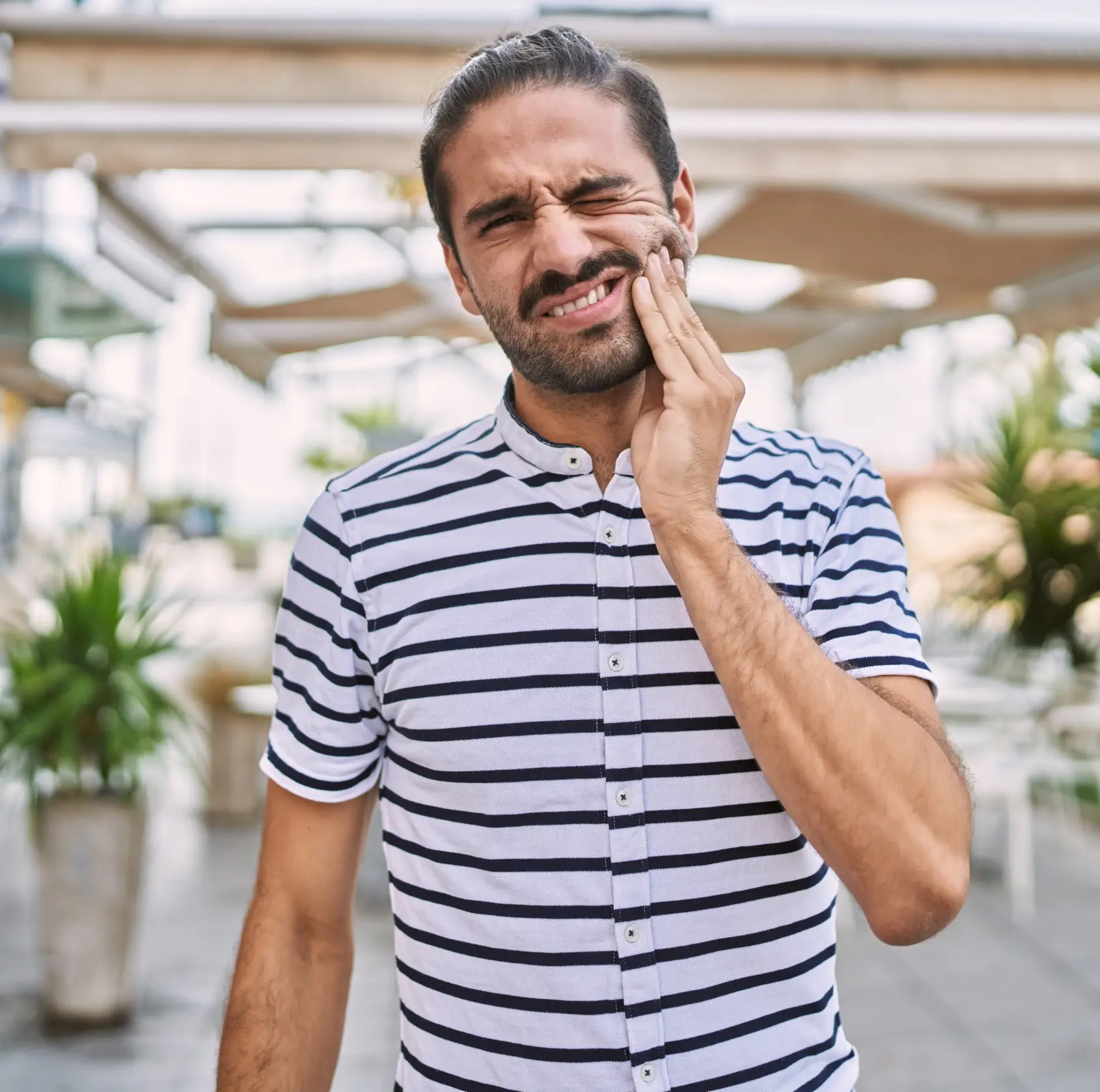
TMJ (Temporomandibular Joint) and TMD (Temporomandibular Joint Disorder) refer to issues that affect the jaw joint, which connects your lower jaw to your skull. When these joints are misaligned, damaged, or stressed, it can lead to pain and discomfort. This disorder can disrupt daily activities like eating, talking, and even smiling, making it important to address early on for effective relief.
What is Neuromuscular Dentistry?
Neuromuscular dentistry focuses on how your teeth, jaw, muscles, and nerves work together. If your jaw is out of alignment, it can cause strain on muscles and nerves, leading to TMJ pain. Using specialized techniques, neuromuscular dentistry helps realign your bite, easing discomfort and improving your jaw’s function. The goal is to achieve a balanced, relaxed bite that relieves pain and supports long-term oral health.

Why Choose Dr. Loveless?
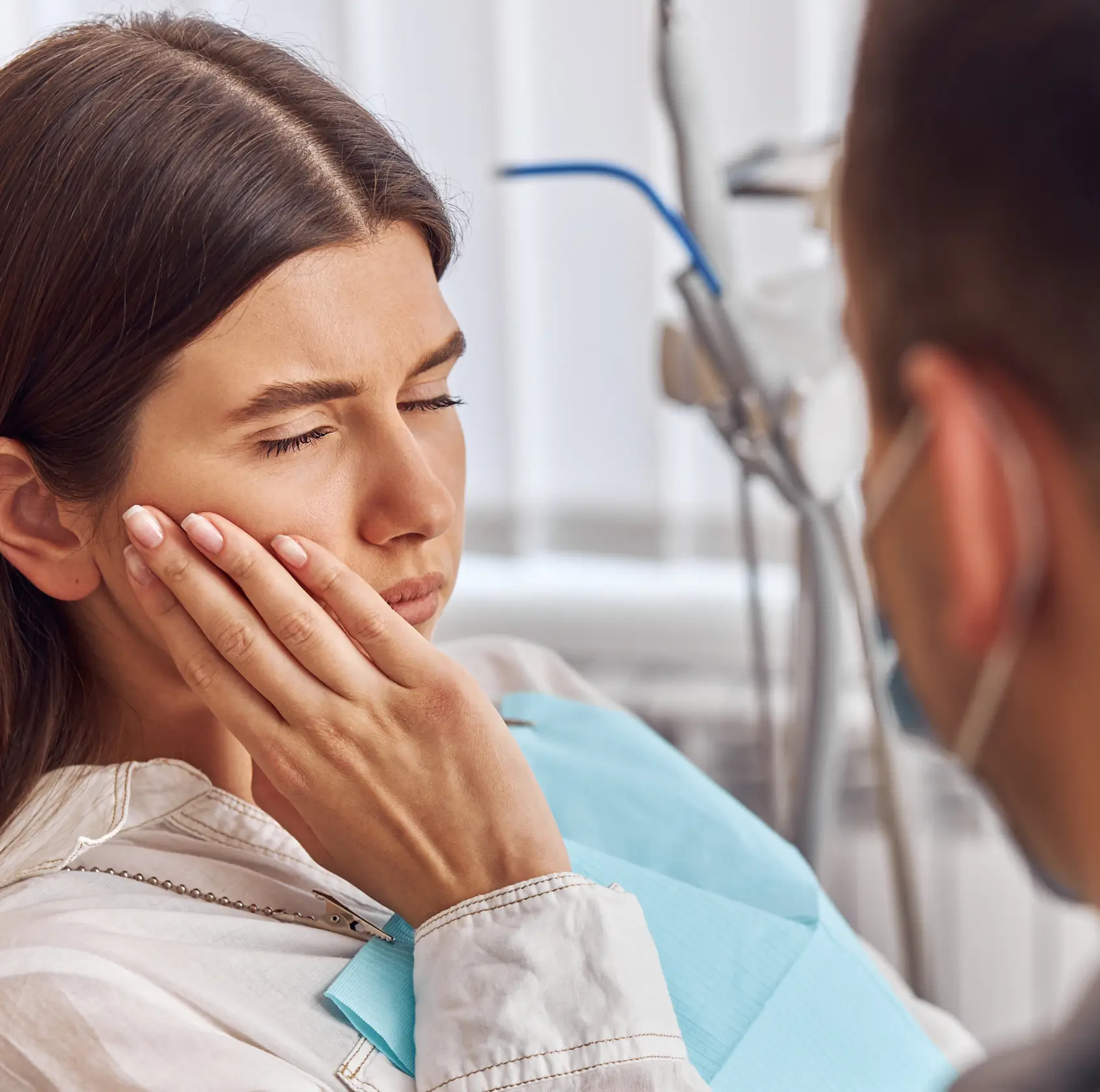
Dr. Lance Loveless specializes in TMJ treatment and neuromuscular dentistry, offering effective solutions tailored to your needs. With extensive training at the Las Vegas Institute for Advanced Dental Studies (LVI) and certifications from the International Association of Physiologic Aesthetics (IAPA), Dr. Loveless uses cutting-edge technology to identify the root cause of your pain.
What Causes TMJ?
TMJ can be caused by several factors, including:
- Jaw misalignment or bite issues (overbite, underbite, crossbite)
- Injury or trauma to the jaw or head
- Teeth grinding or jaw clenching, often due to stress
- Arthritis or inflammation of the temporomandibular joint
- Muscle fatigue from excessive jaw use
- Poor posture or habits, like chewing gum or nail-biting
- Cartilage damage or erosion in the jaw joint
Identifying the specific cause of your TMJ is key to effective treatment, and Dr. Loveless will work with you to pinpoint the source of your discomfort.
Common Symptoms of TMJ Disorders
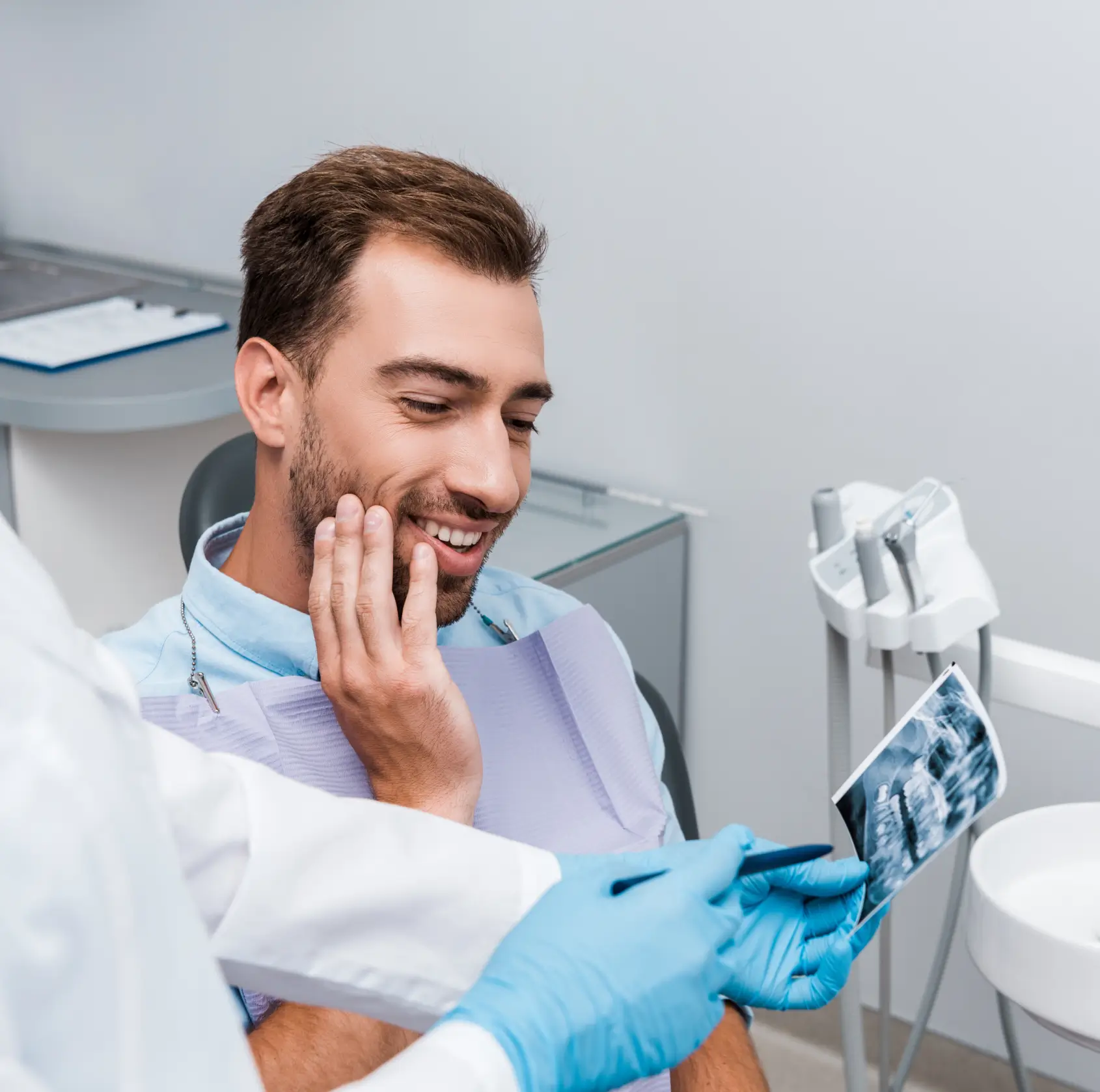
If you're dealing with any of these symptoms, it could be a sign of a TMJ disorder:
- Jaw pain or tenderness
- Clicking or popping sounds when opening or closing your mouth
- Difficulty chewing or pain while eating
- Facial pain and headaches
- Limited jaw movement or jaw locking


Why Patients Choose Us? Exceptional Customer Service
Exceptional Customer Service

Advanced Technology & Comfort-Focused Care

VIP-Level Experience for Every Patient

Comprehensive Dental & Aesthetic Solutions

Trusted by Patients Who Want the Best
Frequently Asked Questions
How do I know if I have TMJ?
If you experience frequent jaw pain, headaches, clicking or popping sounds when moving your jaw, or difficulty chewing, you may have TMJ. A thorough evaluation with Dr. Loveless can help determine if your symptoms are related to TMJ or another condition.
Can stress cause TMJ?
Yes, stress is a common contributor to TMJ disorders. It can lead to teeth grinding, jaw clenching, and muscle tension, all of which put pressure on your jaw joint and exacerbate symptoms.
Can TMJ cause ear pain?
Yes, TMJ can cause ear pain, often mistaken for an ear infection. The muscles around the jaw are connected to the ear, so TMJ disorders can lead to discomfort, ringing, or even partial hearing loss in the ear.
Can TMJ go away on its own?
While mild TMJ symptoms may improve on their own, untreated TMJ can worsen over time. It’s best to seek professional treatment to prevent further damage and relieve discomfort sooner rather than later.
Are there lifestyle changes that can help with TMJ pain?
Yes, managing stress, avoiding chewy or hard foods, practicing relaxation techniques, and improving posture can help manage TMJ symptoms. Additionally, wearing a custom oral appliance during sleep can help prevent teeth grinding and jaw clenching.
How can physiologic-based treatment provide long-term TMJ relief?
Physiologic-based treatment restores the natural balance of your jaw by focusing on proper bite alignment. This helps alleviate the strain on the jaw muscles and joints, providing lasting relief from TMJ pain and preventing future issues.
Can I get TMJ treatment if I have other dental work, like crowns or braces?
Yes, Dr. Loveless will evaluate your existing dental work during your consultation to ensure that your TMJ treatment plan works alongside your current treatments. Custom oral appliances can be adjusted to fit with other dental restorations.
How can an oral appliance help with TMJ?
An oral appliance works by gently repositioning your jaw to its natural resting position, reducing muscle strain and alleviating pressure on the temporomandibular joint. This helps relieve pain and improves your ability to move your jaw freely.
How do I know if I need a full mouth reconstruction for TMJ treatment?
A full mouth reconstruction may be necessary if your TMJ disorder has caused significant damage to your teeth, bite, or jaw structure. Dr. Loveless will assess your condition and recommend the most appropriate treatment, whether it’s a full reconstruction or a more targeted solution like an oral appliance.

A Beautiful You Is Within Reach
Achieving your dream smile is easier than you think. While we’re out-of-network with insurance providers, many patients find their benefits work well here. Plus, we offer flexible financing to make your smile and aesthetic treatments affordable.
Exclusive Dental Savings Plan
Enjoy top-tier dental care with our in-house savings plan. For a small annual fee, get full coverage on exams, cleanings, and preventive care, plus discounts on major services like implants, crowns, and fillings, superior care at a price that fits your lifestyle.