

Sleep Apnea Treatment in Austin, TX
What is Sleep Apnea?
Obstructive sleep apnea is a sleep disorder in which breathing is repeatedly interrupted, sometimes for several seconds at a time. You may snort, choke or gasp in your sleep as you stop breathing, making it difficult to fall and remain asleep. While it is a common disorder that can affect patients of any age, men are two to three times more likely to develop sleep apnea. Middle-aged and older people also have an increased risk.
Symptoms of sleep apnea include:
- Loud snoring
- Gasping for air during sleep
- Morning headaches
- Morning dry mouth
- Daytime fatigue or excessive drowsiness
- Difficulty staying asleep
- Difficulty paying attention during the day
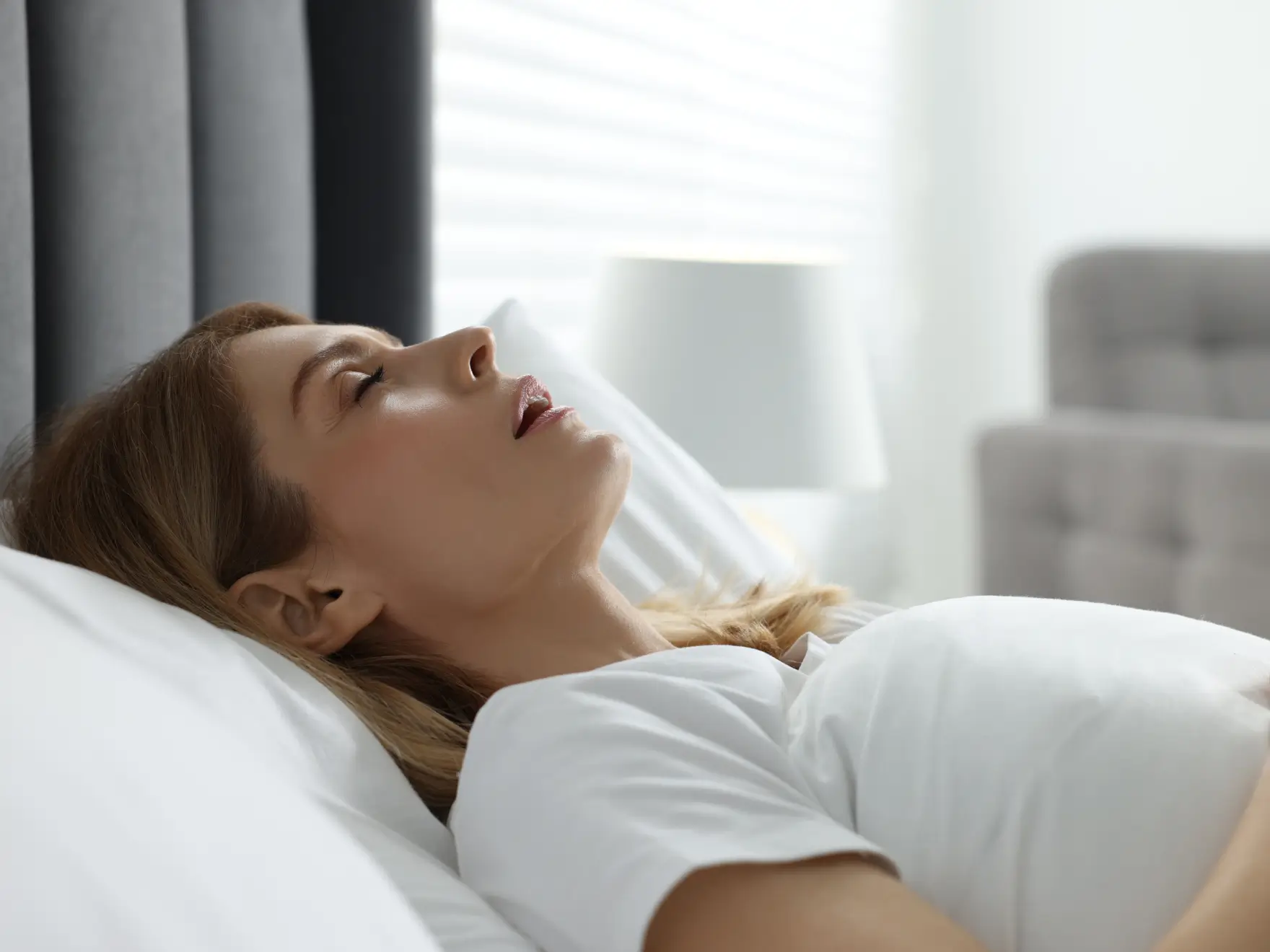
What Causes Sleep Apnea?
The most common and easily treatable form of sleep apnea occurs when the muscles in the back of your throat relax. When these muscles relax, your airway narrows and closes as you inhale. Your health, weight, family history, and history with tobacco and alcohol can increase your chances of sleep apnea. Narrowed airways and excessive nasal congestion can also lead to sleep apnea.
The Long-Term Effects of Sleep Apnea
Cardiovascular Problems
Sleep apnea can lead to an increase in heart rate and blood pressure, often resulting in high blood pressure (hypertension). Over time, this raises the risk of heart attack, stroke, and heart disease.
Type 2 Diabetes
Sleep apnea is common among people with type 2 diabetes. Lack of sleep can lead to insulin resistance, a precursor to diabetes.
Mental Health Issues
Due to poor sleep quality, individuals with sleep apnea may experience mood changes, including an increased risk of depression and anxiety.
Liver Problems
People with sleep apnea are more likely to have abnormal results on liver function tests, and their livers are more likely to show signs of nonalcoholic fatty liver disease (NAFLD).
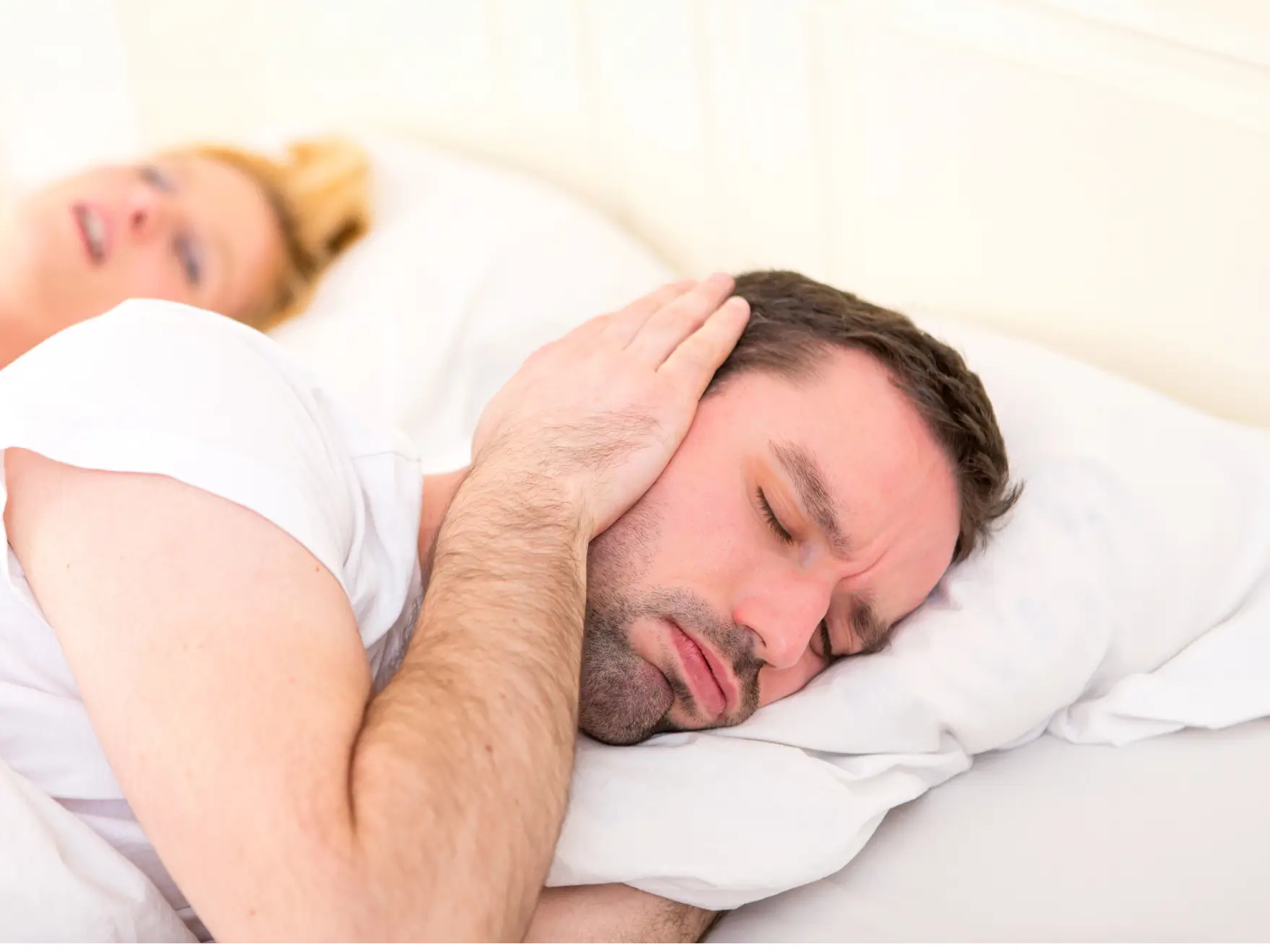
Sleep-Deprived Partners
Loud snoring can keep those around you from getting a good night’s rest and eventually lead to separate sleeping arrangements.
Daytime Fatigue and Sleepiness
Daytime fatigue often results in a general lack of energy, which can affect productivity at work or school and lead to accidents or poor performance.
Memory Problems
Over time, poor sleep can contribute to problems with memory and cognitive function.
Complications with Medications and Surgery
Obstructive sleep apnea is also a concern with certain medications and general anesthesia. People with sleep apnea might be more likely to experience complications following major surgery.
Sleep Apnea Treatment in Austin TX
If you suffer from sleep apnea, don’t hesitate to schedule an appointment. Our dentist can prescribe a special oral appliance to clear your obstructed airway. Sleep apnea appliances are designed to open your throat by repositioning your jaw during sleep. We’ll help you find the treatment option that’s right for you and the contours of your mouth to ensure you can sleep comfortably. Be sure to schedule regular follow-up appointments to check the fit of your appliance.
If you are looking at treatment for sleep apnea, call our office today to schedule an appointment. Our dentist will work to find a comfortable solution to help you breathe easier and sleep better.